Career questions rarely arrive as one big revelation. They usually show up as pressure first: a role starts to feel too small, money habits stop working, a manager changes, or a new opening appears before there is a clear plan.
That is where astrology can be useful. Not as a promise machine, and not as a personality label, but as a timing tool. A birth chart can show the work style and reward pattern that tend to produce results. Transits can show when that pattern is under stress, when it needs structure, and when growth is easier to spot.
The practical value is simple: notice what shifts first. In most career and money periods, the earliest signal is not dramatic success or failure. It is a change in workload, responsibility, tolerance, risk, or momentum.
What a birth chart can clarify for work direction
A useful career reading does not try to name one perfect job. It looks for repeatable patterns that matter in real work.
Those patterns often include:
- how decisions get made under pressure
- whether progress comes through consistency or bursts of initiative
- what kind of responsibility becomes productive rather than draining
- where money improves through skill, visibility, stability, or timing
- what happens when ambition and security pull in different directions
This is why birth chart career analysis works best when tied to a real question. "Should I change fields?" is workable. "What is my destiny?" is too vague to be useful.
A practical reading asks:
- What kind of effort becomes tangible results over time?
- Where does friction keep repeating at work?
- Does the current pressure call for expansion or restraint?
- Is the problem role fit, timing, or weak structure?
That keeps astrology grounded in decisions instead of drifting into symbolism for its own sake.
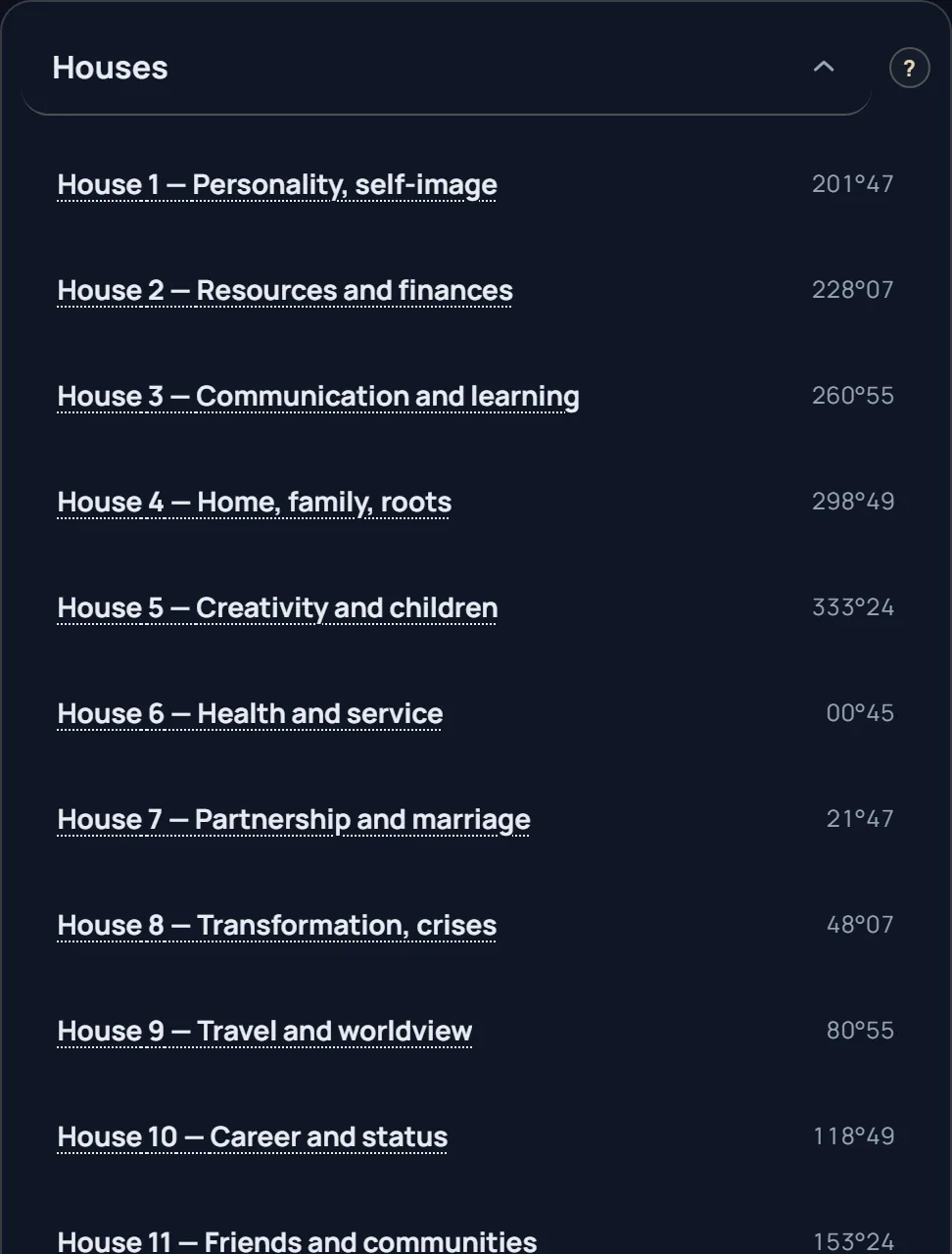
The first signal is often pressure, not opportunity
People tend to look for signs of a breakthrough. In career timing, the earlier clue is usually discomfort.
A role that once felt manageable becomes heavy. Deadlines multiply. A loose budget starts causing real stress. Confidence drops, not because ability disappeared, but because the old way of handling work no longer carries the same weight.
This is often where Saturn themes become visible.
Saturn periods do not automatically mean failure. More often, they expose weak structure. The question becomes less "Will this work?" and more "Can this hold under real conditions?"
In work and money life, that can look like:
- being asked to take ownership without more hand-holding
- discovering that a side income is not stable enough yet
- realizing a title looks better than the actual workload feels
- facing the cost of poor boundaries, weak systems, or delayed decisions
The shift is practical. What was once optional becomes necessary. What was once vague needs a plan.
How Saturn changes career and money decisions
A saturn transit career phase tends to narrow attention. That is not glamorous, but it is useful.
Saturn often pushes three questions to the front:
- What is sustainable?
- What is underbuilt?
- What needs discipline, not more inspiration?
If work feels heavier during this kind of period, the answer is not always to quit. Sometimes the right move is to cut scattered effort, define standards, formalize rates, build savings, or stop pretending a temporary setup can support long-term goals.
A few practical examples:
- A freelancer notices income swings are creating more stress than freedom. The real shift is not "freelancing is wrong." The shift is that pricing, contracts, and client mix now matter more than creative momentum.
- An employee feels blocked from promotion. The useful reading is not "bad luck." It may be a period where missing credentials, weak delegation, or poor political timing can no longer be ignored.
- A business owner sees growth slow down. Saturn's lesson may be operational: margins, staffing, cash flow, and process are asking for maturity.
Saturn rewards seriousness. Not severity for its own sake, but adult structure.
How Jupiter opens room without doing the work for you
A jupiter transit career period feels different. The pressure does not vanish, but movement becomes easier to spot.
Jupiter tends to widen the field. More conversations happen. More leads appear. A skill gets noticed. A mentor, employer, client, or market opens a door that was not open before.
The mistake is assuming every opening is good simply because it arrives during a growth phase.
Jupiter is useful when it helps answer:
- Which opportunities actually match the long-term direction?
- What can be expanded without losing quality?
- Where is confidence justified by preparation?
- What deserves a bigger platform, budget, or commitment?
In real life, Jupiter can show up as:
- a role with more visibility
- stronger referral flow
- better timing for launching a service
- easier access to training, travel, publishing, teaching, or leadership
- improved optimism that makes action possible again
Jupiter helps growth, but growth still needs selection. A bigger offer is not always a better one. A wider audience does not fix weak pricing. More work is not the same as the right work.
What shifts first in real life
When work or money timing changes, the first signal usually appears in one of five places.
1. Tolerance changes
Tasks that used to feel acceptable start feeling inefficient, misaligned, or expensive. This often marks a timing shift before any external change is visible.
2. Responsibility increases
More people depend on the outcome. Deadlines matter more. Small errors cost more. Career growth often begins here, even when it does not feel exciting.
3. Risk feels different
A stable role may start to feel limiting. Or a risky setup may stop feeling worth the uncertainty. The chart is useful here because it helps separate temporary restlessness from a real strategic shift.
4. Money friction gets louder
Spending, earning, saving, and charging all reveal timing. If income rises but stress rises with it, the issue may be structure. If income is flat but opportunities are increasing, the issue may be readiness or follow-through.
5. External feedback changes
Managers, clients, and peers start responding differently. More trust, more pressure, more visibility, or more scrutiny can all signal that a cycle is turning.
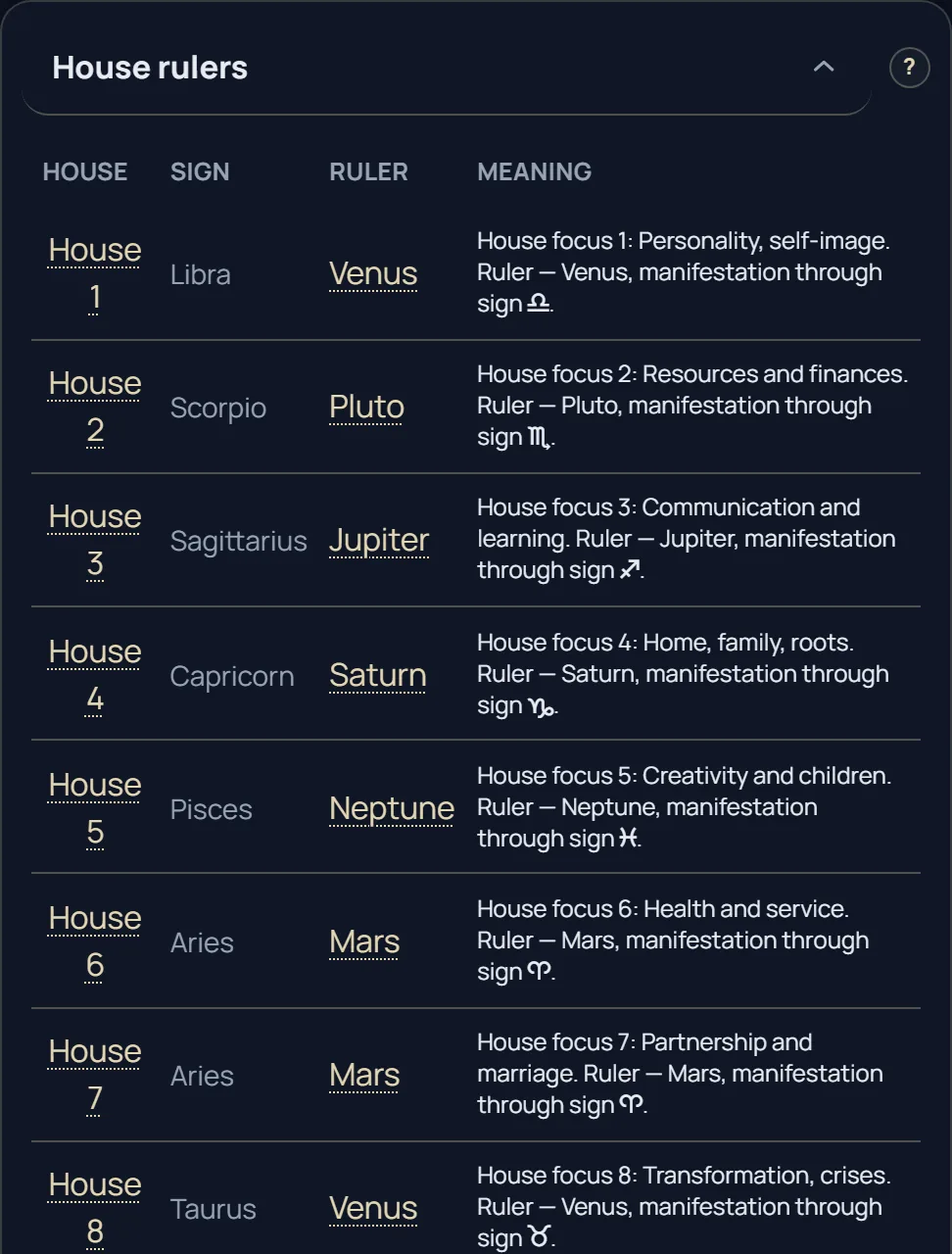
How to use money astrology without becoming vague
Money astrology becomes useful when it is tied to behavior.
Instead of asking whether a chart is "good with money," ask better questions:
- Is money managed through caution, speed, optimism, control, or avoidance?
- Does earning improve through consistency, negotiation, specialization, or exposure?
- When stress rises, does spending become impulsive, defensive, generous, or rigid?
- Is the current issue income, pricing, debt, savings, or timing?
This matters because money problems are often pattern problems before they become number problems.
For example:
- Someone keeps undercharging, then overworking to make up the difference.
- Someone earns well but delays admin, taxes, or long-term planning.
- Someone saves aggressively but avoids investing in training or tools that would increase income.
- Someone chases every opportunity and loses focus, making revenue less stable.
Astrology helps by showing which pressure pattern is active, then tying that pattern to a concrete decision.
A simple way to read career timing more clearly
Use this three-part filter.
Start with the natal pattern
Look for the basic work logic: how effort becomes results, what conditions support productivity, and where ambition tends to get tangled.
This is your baseline. Without it, every transit gets overinterpreted.
Then identify the current trigger
Is the period asking for consolidation or expansion?
Saturn-like periods usually ask for structure, accountability, patience, and reality checks. Jupiter-like periods usually bring openings, confidence, visibility, and movement.
Sometimes both are active at once. That is common in real life. A bigger opportunity arrives, but only if systems improve first.
Finally, check the lived evidence
Do not stop at symbolism. Look at what is actually happening.
- Are workloads changing?
- Is money tighter or flowing more easily?
- Are better conversations happening?
- Are weak habits becoming costly?
- Is growth appearing before a clear plan?
The practical reading lives in that overlap between chart pattern and real conditions.
When not to make a fast move
Not every intense period is a signal to resign, pivot, or invest heavily.
Pause when:
- pressure is high but the facts are still unclear
- the opportunity is flattering but badly defined
- money stress is pushing urgency more than strategy
- the role is wrong, but the replacement plan is pure escape
- confidence has risen faster than preparation
A timing-based reading should improve judgment, not replace it.
What practical readers usually get right
The most useful approach to career direction astrology is skeptical but observant.
Practical readers do well when they use astrology to:
- name the kind of pressure they are in
- distinguish expansion from overextension
- identify where stronger structure would change results
- spot timing windows without assuming guaranteed outcomes
- connect recurring work friction to actual habits and decisions
That is enough. Astrology does not need to predict an entire career path to be helpful. It only needs to make the next decision clearer and the current pattern easier to read.
FAQ
How can a natal chart clarify work direction without becoming vague?
By focusing on repeatable patterns instead of idealized job titles. A useful reading looks at how effort turns into results, how pressure affects decisions, and where work friction keeps repeating.
What is useful in career astrology for a practical reader?
Timing, pattern recognition, and decision context. It can help explain whether a period calls for building structure, taking a calculated opportunity, changing expectations, or tightening money habits.
Does Saturn always mean career problems?
No. Saturn often marks a period where weak systems, delayed decisions, or immature expectations stop working. The benefit is that it shows what needs to become solid.
Does Jupiter always mean success?
No. Jupiter can increase opportunity, visibility, and optimism, but it can also magnify poor judgment or overcommitment. Growth still needs selection and follow-through.
Can astrology help with money timing?
It can help frame money pressure and behavior patterns. That is most useful when tied to real issues such as pricing, savings, income stability, debt, or spending habits.
The bottom line
Career timing rarely announces itself with perfect clarity. It shows up as pressure, looseness, appetite, friction, and changed momentum.
A solid reading of birth chart career themes does not tell anyone what they are fated to become. It shows how work tends to function when it is healthy, what breaks down under strain, and whether the current moment is asking for discipline or expansion.
That is what to notice when work or money starts shifting: not just what is happening, but what kind of response the period is demanding first.